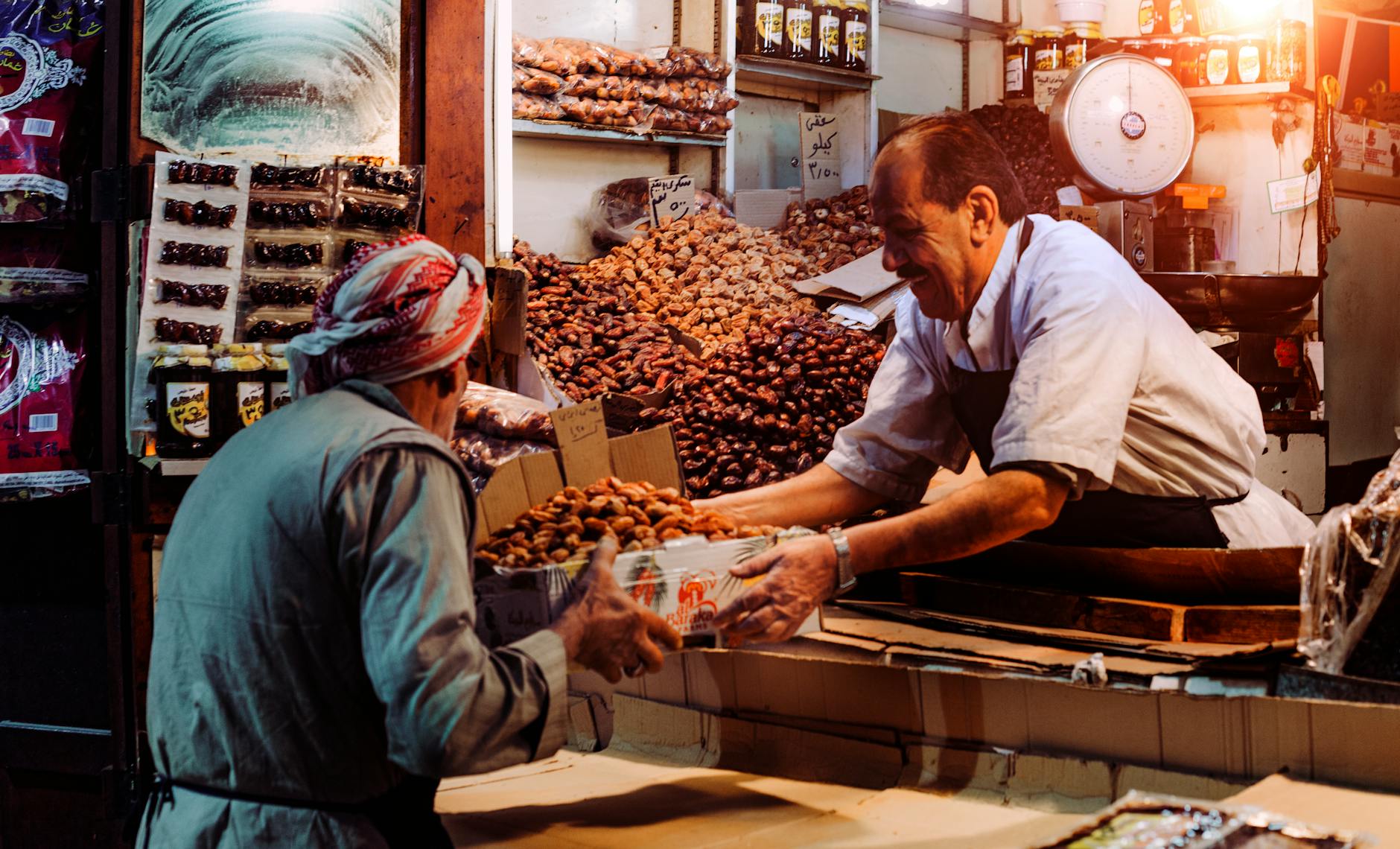
Most people who visit Dubai eat at a mall restaurant, look out at the Burj Khalifa, and leave thinking that's the city. A Dubai Old Town food tour changes that. Walk through Al Fahidi, cross the Creek by abra, and you're suddenly in a different city entirely — one that smells of cardamom, dried limes, and saffron rather than air-conditioning.
Lonely Planet named Old Dubai food tours one of the top global travel experiences for 2026. That's not hype. The area around Bur Dubai and Deira packs more flavour per square metre than almost anywhere in the Gulf.
Where to start: Al Fahidi and the Creek
Al Fahidi Historical Neighbourhood is the natural starting point. The wind towers, the narrow lanes, the small cafes tucked into old courtyard buildings — it's quiet in a way that the rest of Dubai rarely is. Stop at the Majlis Gallery area for karak chai, the strong spiced tea that fuels half the city. A small cup costs a dirham or two.
From there, take the abra across the Creek. The ferry costs AED 1 and takes about five minutes. It's one of the best things you can do in Dubai and almost no tourists bother.
The spice souk and what to actually buy
Deira's spice souk is compact but worth an hour. Vendors sell dried rose petals, frankincense, loose saffron (check the colour — it should be deep red, not yellow), and blends of Arabic coffee spice. Prices are negotiable. The gold souk is a five-minute walk away if you want to keep going.
For food, skip the tourist-facing restaurants at the souk entrance. Walk two streets back into Deira and you'll find Pakistani and Emirati canteens that have been open for decades. Try the machboos — slow-cooked spiced rice with meat — or fresh luqaimat, the fried dough balls drenched in date syrup that you'll see made to order.
Al Dhiyafah Road: where Dubai eats on weeknights
A short taxi from the souk gets you to Al Dhiyafah Road in Satwa. This is where residents actually eat. Iranian restaurants, Filipino fast food, shawarma counters, Lebanese grill houses — all open late, all cheap. A full meal here rarely tops AED 30. The chicken shawarma at Al Ustad Special Kabab has been there for years and the queue tells you everything.
Guided tour or DIY?
Guided food tours run around AED 300-400 per person and include six to eight tasting stops over three hours. Companies like Frying Pan Adventures and Arva Tours know the area well and get you into places you'd otherwise walk past. Worth it if it's your first time and you want the history alongside the food.
Going solo works fine if you're comfortable navigating without a plan. The area is walkable, the metro stops at Al Fahidi station, and Google Maps is accurate. Eat at places with handwritten menus and plastic chairs. That's usually the right sign.
Practical things to know
- Go in the evening. The heat makes a daytime walk unpleasant from April through October, and the souks come alive after sunset anyway.
- Friday mornings are quiet — good for photos, bad for eating because many small places open late.
- Wear comfortable shoes. You'll cover two to four kilometres without realising it.
- The abra to Deira runs until midnight. If you miss it, a taxi across the bridge takes ten minutes.
One thing people get wrong
People assume the food here is "authentic Emirati" — it mostly isn't, and that's not a problem. Dubai's Old Town reflects what the city actually was: a trading port where Indian, Iranian, East African, and Pakistani communities settled alongside Emiratis. The food is all of that mixed together. That's what makes it interesting.
If you want to find specifically Emirati food, head to the Sheikh Mohammed Centre for Cultural Understanding in Al Fahidi, which runs Emirati meals where you eat with a local family and ask any questions you want.
Ready to explore Dubai beyond the skyscrapers? Roamigo can put together a full Old Town food and culture itinerary tailored to your schedule. Get in touch and we'll sort the details.
Written by
Roamigo Team
The Roamigo Trips editorial team is based in Dubai and passionate about helping travellers discover the best of the UAE. Our writers have first-hand experience across desert safaris, city tours, and everything in between.
Meet the team →

