
Dubai Tourism Guide: Where Modern Marvels Meet Desert Traditions
Dubai is not merely a city; it is a statement. Rising from the golden sands of the Arabian Desert, it has transformed in just fifty years from a quiet pearl-diving settlement into one of the most futuristic, dynamic, and visited destinations on Earth. It is a place of dizzying contrasts: where traditional wooden abras float past the world's tallest skyscrapers, where the silence of the desert meets the bustle of super-malls, and where over 200 nationalities live in harmony.
For the traveler, Dubai offers an itinerary that can be as relaxed or as high-octane as you desire. You can skydive over a man-made island in the morning, ski indoors at noon, haggle for spices in an ancient market in the afternoon, and dine at a Michelin-starred restaurant in the clouds by evening. This guide explores every corner of the Emirate, helping you navigate its neighborhoods, culture, and endless attractions.
The Ultimate Dubai Cheat Sheet
- Best Time to Visit: November to March (Winter) for perfect beach weather.
- Currency: UAE Dirham (AED). 1 USD is pegged at approximately 3.67 AED.
- Transport: The Metro is world-class and cheap; Taxis are safe and metered.
- Connectivity: Pick up a free tourist SIM card (Du or Etisalat) at the airport immigration counter.
- Dress Code: Modest in malls/public areas (shoulders/knees covered); swimwear is fine at beaches/pools.
Understanding the Seasonality
Timing is everything when planning a trip to the UAE. The weather dictates what you can do and how much you will enjoy it.
The Winter Peak (November – March)
This is the "Golden Season." The weather is idyllic, with daytime highs of 25°C (77°F) and cool evenings that might even require a light jacket. This is when the city comes alive outdoors. Al Fresco dining is everywhere, beach clubs are packed, and outdoor markets like the Ripe Market or Global Village are in full swing. However, this is also the most expensive time for hotels and flights.
The Shoulder Season (April – May & October)
These months act as a transition. It is getting hot (around 30°C - 35°C), but it is still manageable for morning beach trips or evening walks. You can often find better hotel deals during these windows compared to the peak winter months.
The Summer Furnace (June – September)
Make no mistake: Dubai summers are intense. Temperatures regularly exceed 40°C (104°F) with high humidity. Outdoor activities are virtually impossible during the day. However, Dubai is built for this. The city moves indoors with air-conditioned walkways, massive indoor theme parks, and huge summer sales (Dubai Summer Surprises). If you are on a budget and love luxury hotels, this is the time to visit, as 5-star resorts often drop their prices by 50% or more.
Neighborhood Watch: Where to Go
Dubai is a sprawling city spread along the coastline. It doesn't have a single "center," but rather several distinct hubs, each with its own personality.
Downtown Dubai: The Center of Now
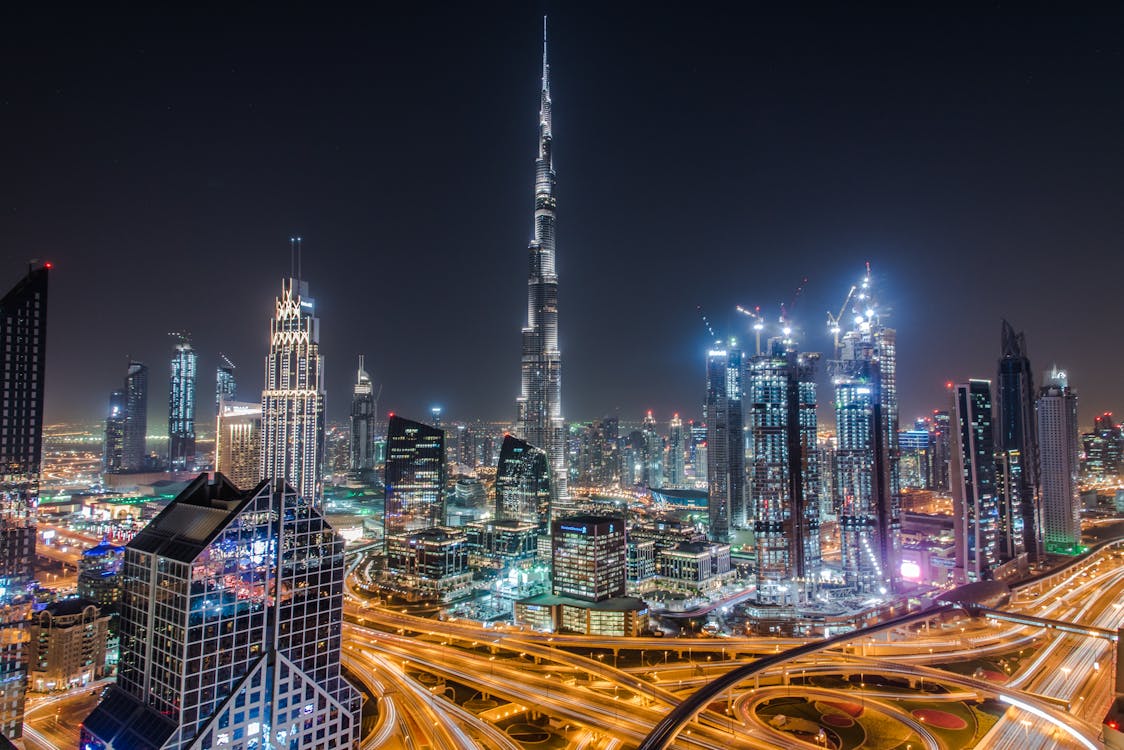
This is the postcard image of Dubai. Dominated by the **Burj Khalifa**, the world's tallest building, this district is immaculately maintained. Here you will find the **Dubai Mall** (the world's largest), the **Dubai Opera**, and the mesmerizing **Dubai Fountain**. The vibe is upscale, energetic, and tourist-heavy. Walking along the Sheikh Mohammed bin Rashid Boulevard in the evening, surrounded by lit-up palm trees and supercars, is an experience in itself.
Dubai Marina & JBR
Located on the southern end of the city, the Marina is a forest of residential skyscrapers built around a man-made canal filled with luxury yachts. Adjacent to it is Jumeirah Beach Residence (JBR), a beachfront community with "The Walk"—a promenade packed with shops, restaurants, and street entertainers. It has a very Californian vibe: laid back, beach-focused, and pedestrian-friendly.
Old Dubai (Deira & Bur Dubai)
For a dose of reality and history, head to the Creek. This is where the city began. On the **Bur Dubai** side, you have the Al Fahidi Historical Neighborhood with its wind-tower architecture and the Dubai Museum (currently under renovation but the fort remains). On the **Deira** side, accessed by a 1 AED abra ride, you have the chaotic energy of the Souks. This area smells of spices, sounds of haggling, and feels like a completely different country compared to the Marina.
The Palm Jumeirah
The world-famous palm-shaped island is a feat of engineering. It is home to some of the most luxurious hotels in the world, including the Atlantis The Royal and Atlantis The Palm. The "trunk" of the palm features the Nakheel Mall and West Beach, a trendy strip of beach clubs and restaurants perfect for sunset drinks. The "crescent" offers panoramic views of the Dubai skyline back across the water.
Top Attractions and Experiences
You could spend a month in Dubai and not see everything, but there are certain headline acts that define the city.
The Desert Safari
Leaving the skyscrapers behind for the dunes is essential. Most tours pick you up from your hotel in a 4x4 Land Cruiser. The experience typically involves "dune bashing" (a rollercoaster-like drive over the sand), followed by a stop for sunset photos. The evening ends at a Bedouin-style camp where you can ride camels, smoke shisha, get henna tattoos, and watch Tanoura dancing while eating a buffet dinner.
Pro Tip: For a more authentic and eco-friendly experience, book a safari with **Platinum Heritage**. They use vintage Land Rovers and focus on wildlife and Bedouin culture rather than just aggressive driving.
Aura Skypool
One of the newer attractions, Aura Skypool is the world's highest 360-degree infinity pool. Located on the 50th floor of the Palm Tower, it offers absolutely unrivaled views of the Palm Jumeirah, the Burj Al Arab, and the Marina skyline. It is pricey and requires booking weeks in advance, but floating 200 meters in the air is a bucket-list moment.

The Museum of the Future
Unlike museums that archive the past, this architectural marvel (a silver torus covered in Arabic calligraphy) predicts the future. Inside, you are treated to an immersive journey to the year 2071, exploring the future of space travel, ecology, and human wellness. It is visually stunning and thought-provoking. Tickets sell out months in advance, so book as soon as your flights are confirmed.
Global Village
Imagine the world's fair meets a theme park. Global Village (open Oct-April) features pavilions from over 70 countries. You can buy shea butter from the Africa pavilion, Manuka honey from New Zealand, and carpets from Iran. It also features a massive funfair and stage shows. It is incredibly popular with locals and offers a great festive atmosphere in the evenings.
Video: The Best of Dubai
The Culinary Landscape
Dubai's food scene has exploded in recent years. In 2022, the Michelin Guide officially arrived in Dubai, cementing its status as a gastronomic capital.
Street Food Heroes
You don't need to spend a fortune to eat well. Old Dubai is filled with hidden gems.
Al Mallah (Satwa): Famous for its shawarma and fresh juices.
Ravi Restaurant (Satwa): A legendary Pakistani spot known for incredible curries and naan bread at rock-bottom prices.
Bu Qtair (Jumeirah): Started as a shack and now a restaurant, this spot serves fresh fish marinated in secret spices and fried to perfection. Be prepared to wait in line.
High-End Dining
If you want to dress up and splash out, the options are endless.
At.mosphere: Located on the 122nd floor of the Burj Khalifa, offering high tea and fine dining with the best view in the city.
Zuma (DIFC): Consistently rated one of the best Japanese restaurants in the world.
Ossiano (Atlantis): An underwater dining experience where sharks and rays glide past your table while you eat.
Shopping: From Souks to Super Malls
Shopping is the national pastime of Dubai. The malls here are not just for shopping; they are community centers and entertainment hubs.
The Dubai Mall
To call it a mall is an understatement. It has over 1,200 shops, an indoor ice rink, a waterfall, a dino skeleton, and a massive aquarium. You can find everything here from high-street brands like H&M to the ultra-luxury Fashion Avenue.
Mall of the Emirates
Famous for **Ski Dubai**, the indoor ski slope complete with penguins. It is slightly smaller than Dubai Mall but often considered more manageable and easier to shop in by locals.
The Souks
For a traditional experience, head to the Gold Souk, Spice Souk, and Textile Souk.
Haggling Tip: Never accept the first price. Start by offering 50% of the asking price and meet somewhere in the middle. Walk away if the price isn't right; often, the vendor will call you back.

Day Trips and Excursions
If you are staying for more than a few days, consider exploring the other Emirates.
Abu Dhabi (1.5 Hours Away)
The capital of the UAE is richer and quieter than Dubai. The **Sheikh Zayed Grand Mosque** is an architectural masterpiece of white marble and gold that accommodates 40,000 worshippers. The **Louvre Abu Dhabi** is another cultural icon, a museum city under a giant floating dome.
Hatta (1.5 Hours Away)
An enclave of Dubai located high in the Hajar Mountains. It’s perfect for outdoor lovers. You can kayak in the turquoise waters of the Hatta Dam, go mountain biking, or visit the Hatta Heritage Village to see how Emiratis lived centuries ago.
Practical Logistics for the Traveler
To make your trip smooth, keep these practical tips in mind.
Apps to Download
Life in Dubai is digital. Before you arrive, download:
Careem: The local version of Uber (also allows you to book standard RTA taxis).
Talabat / Deliveroo: For food delivery (which is very popular and fast).
The Entertainer: A paid app that offers "Buy One Get One Free" deals on thousands of restaurants and attractions. It pays for itself in one or two uses.
Getting Around
The **Dubai Metro** is clean, safe, and efficient. It runs along the main highway (Sheikh Zayed Road). There are two lines (Red and Green). The Red line covers most tourist spots (Airport, Burj Khalifa, Marina). You need a "Nol Card" to ride, which can be purchased at any station.
Taxis are cream-colored with different colored roofs (Red is standard, Pink is for female drivers and families). They are strictly metered, so you don't need to negotiate prices.
Safety and Etiquette
Dubai is one of the safest cities in the world. Violent crime is virtually non-existent, and you can safely walk alone at night. However, strict laws exist regarding behavior. Public intoxication is illegal. Swearing in public (or even online) can lead to fines. Photography of government buildings or strangers (especially women) without permission is prohibited.
Ready for Your Arabian Adventure?
Dubai is a city that rewards curiosity. Whether you are sipping gold-flaked cappuccino or riding a camel at sunrise, every moment is a memory in the making. Start planning your itinerary today!
Explore Dubai PackagesWritten by
Roamigo Team
The Roamigo Trips editorial team is based in Dubai and passionate about helping travellers discover the best of the UAE. Our writers have first-hand experience across desert safaris, city tours, and everything in between.
Meet the team →

